The Warning Comes at Night
Flood warnings rarely arrive during office hours. By the time your crew is called in, the river has already gained several hours on you.
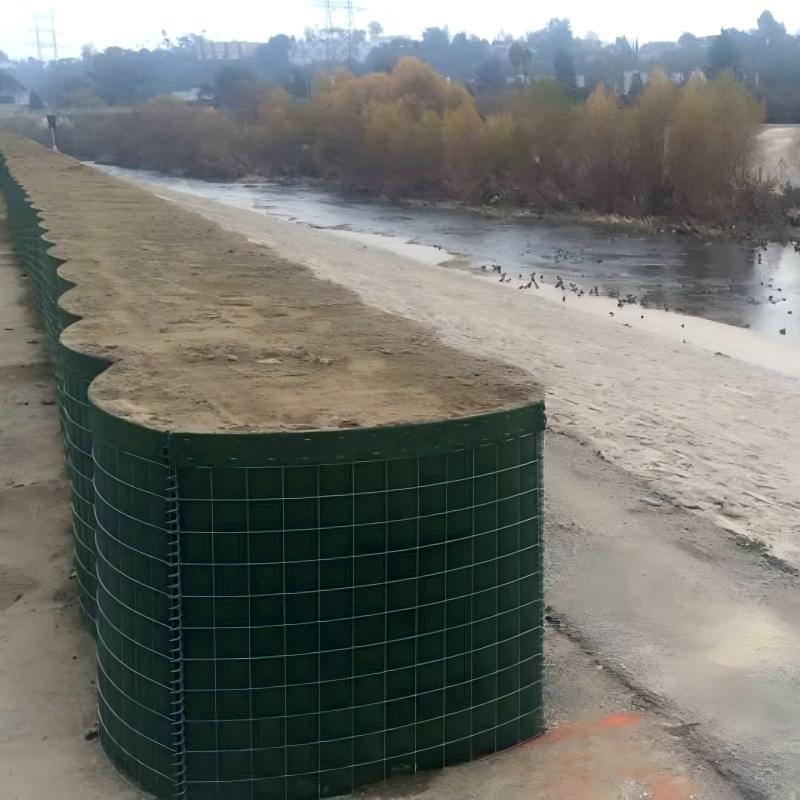
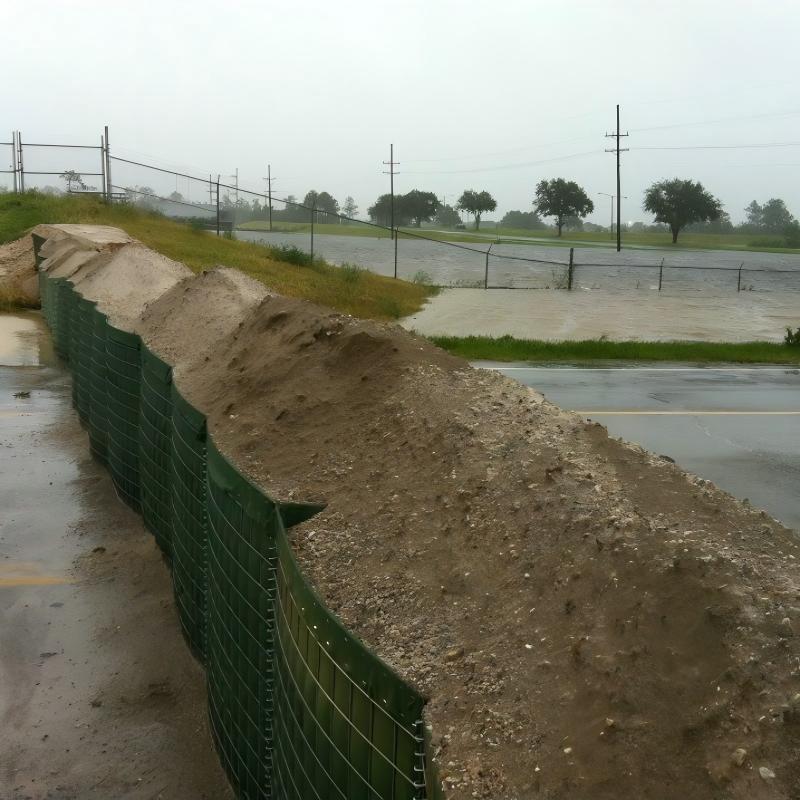
That is why pre-positioned flood control barriers exist: they sit in a warehouse or depot for months, take up almost no space, and can be moved to the line with the equipment you already own.
What a Real Stockpile Looks Like
A practical pre-positioned kit is defined by four numbers, not by optimism:
1.Folded footprint. Flat-packed panels stack on pallets, so one truck or small yard holds enough length to protect multiple sites.
2.Unit count per site. Calculate by reach length and design water level, then add 10% for corners and transitions.
3.Fill volume per unit. Confirm locally available sand or soil can be sourced within minutes of the site—this determines whether you need to move earth or just move panels.
4.Crew size. Two to four people plus one excavator or skid steer is typically enough for most urban reaches.
Store It Once, Use It Many Times
Unlike sandbags—which degrade in storage, attract moisture, and become a disposal problem after use—steel-panel barriers with polypropylene geotextile liners can be cleaned, dried, folded, and returned to the same pallet.
Inspection between seasons takes minutes:
check panel welds, spring connectors, and liner integrity.
Fixed or Removable?
Sites with a permanent low point—such as underpasses, culvert approaches, and permanent pump stations—may justify a fixed arrangement. For reaches that only flood seasonally, removable units keep the road and landscape clear the rest of the year.
Send us your reach lengths, design water level, ground conditions, and available fill material. We will return a unit count, pallet plan, and a deployment sequence your night crew can follow without rehearsal.
Flood warnings rarely arrive during office hours. By the time your crew is called in, the river has already gained several hours on you.
That is why pre-positioned flood control barriers exist: they sit in a warehouse or depot for months, take up almost no space, and can be moved to the line with the equipment you already own.
What a Real Stockpile Looks Like
A practical pre-positioned kit is defined by four numbers, not by optimism:
1.Folded footprint. Flat-packed panels stack on pallets, so one truck or small yard holds enough length to protect multiple sites.
2.Unit count per site. Calculate by reach length and design water level, then add 10% for corners and transitions.
3.Fill volume per unit. Confirm locally available sand or soil can be sourced within minutes of the site—this determines whether you need to move earth or just move panels.
4.Crew size. Two to four people plus one excavator or skid steer is typically enough for most urban reaches.
Store It Once, Use It Many Times
Unlike sandbags—which degrade in storage, attract moisture, and become a disposal problem after use—steel-panel barriers with polypropylene geotextile liners can be cleaned, dried, folded, and returned to the same pallet.
Inspection between seasons takes minutes:
check panel welds, spring connectors, and liner integrity.
Fixed or Removable?
Sites with a permanent low point—such as underpasses, culvert approaches, and permanent pump stations—may justify a fixed arrangement. For reaches that only flood seasonally, removable units keep the road and landscape clear the rest of the year.
Send us your reach lengths, design water level, ground conditions, and available fill material. We will return a unit count, pallet plan, and a deployment sequence your night crew can follow without rehearsal.
2026-9-24
2026-9-8
Why Is the Cheapest Fence Post...
2026-9-1
Flood Control Barriers for Eme...
2026-8-27